





You probably know about your circulatory system and your immune system. But there’s a lesser known system that helps defend against disease and works alongside the heart and vessels that pump blood throughout your body. It’s called the lymphatic system.
You may have heard about it recently in connection with the purported benefits of lymphatic drainage, which has been name-checked everywhere from social media to network television to product ads. Google’s data shows rising interest in the search term in the last year.
Should you be worried about your lymphatic drainage? Despite the hype, most healthy people don’t need to be concerned. But there are some signs you can look for to know if your lymphatic system needs support.
What is your lymphatic system?
The lymphatic system is a part of the immune system. It’s a collection of tissues, organs and vessels that includes lymph nodes, lymph vessels, bone marrow, the spleen, tonsils and adenoids.
The system works to move lymph — a clear, watery fluid that carries white blood cells, nutrients and minerals — throughout the body in lymph vessels. As lymph travels, it helps clear impurities by collecting waste such as damaged cells and germs to be filtered by lymph nodes.
The lymphatic system keeps your body’s fluids in balance and protects you from infection by destroying bacteria and viruses; it also destroys old or abnormal cells.
Your lymphatic system works in tandem with your circulatory system. The heart pumps your blood, whereas the lymphatic system doesn’t have a pump of its own.
What signals a lymphatic system problem?
Your lymph nodes might swell if you’re experiencing an infection. This is most common with lymph nodes located at the neck, armpit and groin.
If your lymphatic system isn’t working properly, lymph fluid can also build up in your tissues and cause swelling.
If you’re experiencing extreme tiredness, swollen lymph nodes or unexplained swelling that lasts more than a few weeks or hinders your normal activities, the Cleveland Clinic advises calling a doctor.
Do I need to worry about my lymphatic drainage?
Not unless you’re experiencing symptoms that suggest a lymphatic system issue.
Lymphatic drainage is a common way to describe clearing a lymphatic system blockage.
UCLA Health describes a healthy body as “a well-oiled machine.”
If your lymphatic system already works effectively, “regular movement, muscle contractions, and breathing naturally help circulate lymph fluid,” said Anatolia Vick-Kregel, Rice University’s senior director of health and well-being.
People who might need to think about lymphatic drainage include cancer patientspeople recovering from surgery that involves lymph node removal and people with lymphedemaa chronic condition where lymphatic system blockages cause swelling. Lymphedema can sometimes be caused by chronic venous insufficiencya condition that made news when the White House revealed President Donald Trump has it.
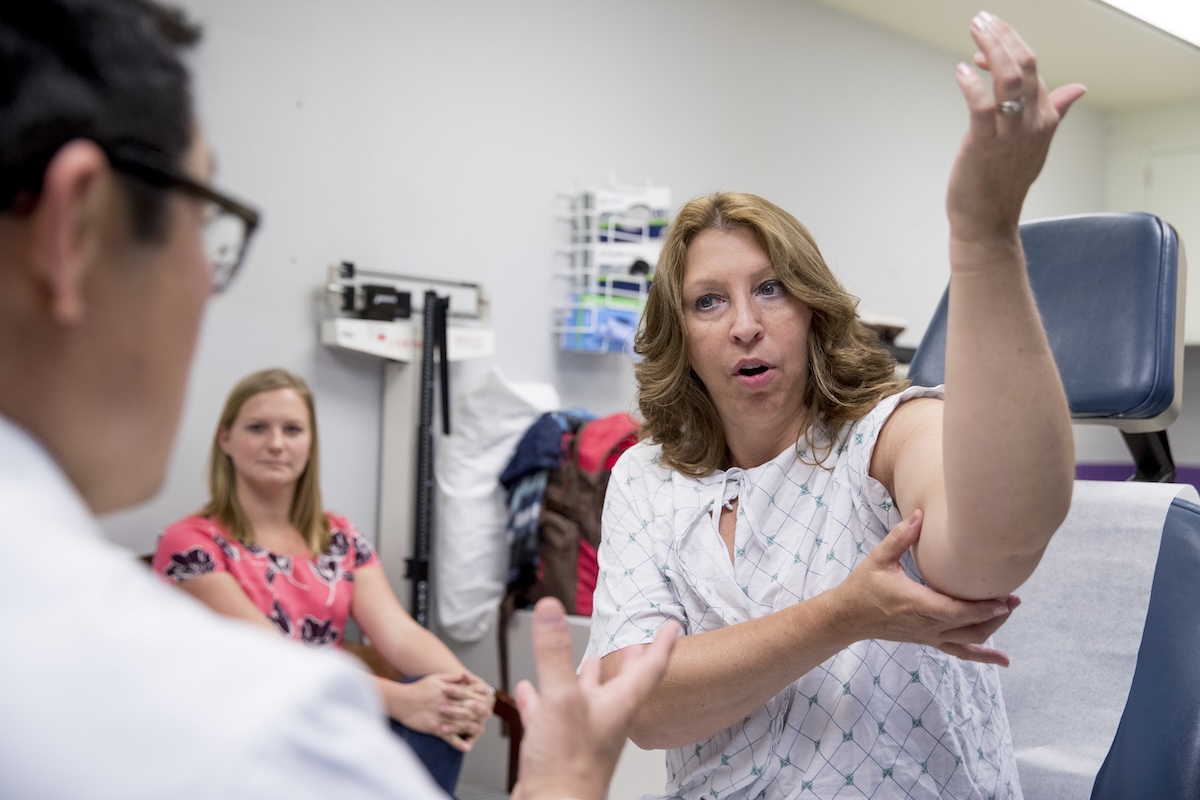

Dr. David Song examines Susan Wolfe-Tank during a post-surgery checkup at MedStar Georgetown University Hospital in Washington Sept. 21, 2017. Song transferred lymph nodes from another part of Wolfe-Tank’s body to her arm to ease swelling called lymphedema, a lasting side effect of her breast cancer treatment. (AP)
What is a lymphatic drainage massage?
It’s the practice of gently massaging areas of the body using light pressure to move lymph in vessels just under the skin. Typically, a practitioner will start by applying light pressure starting at the lymph nodes in the neck, groin and armpits. Then, after they’ve created a place for congested lymph fluid to go, the practitioner will coax excess fluid in swollen tissues toward those lymph nodes. It is also called manual lymphatic drainage or MLD for short.
“A drainage massage is very intentional, and is administered in a specific pattern to promote optimal flow,” said Amanda Wheeler, a certified lymphedema therapist and Sacred Heart University occupational therapy professor. It is usually a light, superficial massage, but for some lymphedema patients a deeper technique might be more appropriate.
These massages primarily treat lymphedema, which can follow breast cancer surgery or radiation therapy. They can also help people with fibromyalgia, rheumatoid arthritis, chronic venous insufficiency and lipedema, a painful buildup of fat in the limbs.
A certified lymphedema therapist will typically perform the massage in a hospital or outpatient health care setting.
Continuing your care at home is a key element of this treatment, the Lymphatic Education and Research Network says. When performed at home, it shouldn’t be painful or cause red skin.
But people should consult a certified lymphedema therapist or another trained specialist to learn proper techniques before attempting to treat themselves, Wheeler said.
The lymphatic system is intricate and using the wrong pattern could harm someone whose lymphatic system isn’t fully intact, she said. If a woman with breast cancer had some lymph nodes removed, for example, “the direction of flow and pattern would look different than for someone who has no known lymphatic system issues,” Wheeler said.
The procedure is not recommended for people with heart conditions, kidney problems or cellulitis, physical therapist Mae Murakami told Cedars-Sinai.
People should avoid lymphatic drainage massages if they have fevers or active infections, Ohio State University advises. The university also recommends avoiding lymphatic drainage massages over areas that are undergoing radiation treatment or are known cancer sites.
What are the benefits of lymphatic drainage massage?
For conditions such as lymphedema and lipedemastudies show that lymphatic drainage massages can be effectiveoften in combination with other treatments.
A small 2009 study found that lymphatic drainage massages and connective tissue massages were both effective at improving pain and health-related quality of life for women with fibromyalgia. The massages also improved morning tiredness and anxiety.
Research on whether lymphatic drainage massage can effectively treat lymphedema caused by breast cancer or breast cancer surgery and radiation therapy has had mixed results. Studies found it to be a safe and sometimes beneficial for reduced swelling, but there’s not clear and consistent evidence that it is a more effective treatment than compression bandaging.
Wheeler said these massages can produce a calming effect and minimize swelling in a particular area, but the effect is temporary and massages must be repeated.
Much of the hype about these treatments is based on anecdotal evidence, Healthline reported. The research into the other purported benefits of these massages — such as assertions that it can reduce cellulite, reduce facial puffiness or make your skin glow — is extremely limited. It also often hinges on studies involving the treatment of very few peoplewhen it was studied at all.
RELATED: Good vibes or bad? Here’s what to know about the scientific evidence for trendy vibration plates


