


According to the latest outlook from NOAA’s Climate Prediction Center and the International Research Institute (IRI), the La Niña pattern is now breaking down, with neutral conditions likely to take over within the next month. NOAA has issued an El Niño Watch as conditions are expected to develop within the next six months. A number of projections point to around an 80 to 90% chance of a strong El Niño taking hold. Historically, a strong El Niño is associated with fewer tropical systems overall, but it only takes one to create major impacts.
MIAMI, Flo. – A major shift in global climate patterns is underway, as the tropical Pacific trends toward a stronger El Niño and away from La Niña—a change with significant implications for the 2026 Atlantic hurricane season.
In most cases, a strong El Niño acts to suppress hurricane activity by increasing wind shear in the atmosphere over the Atlantic Ocean, which can disrupt developing storms and make it harder for hurricanes to organize and strengthen.
‘SUPER EL NIÑO’ BREWING AS LA NIÑA FADES AHEAD OF PEAK HURRICANE SEASON
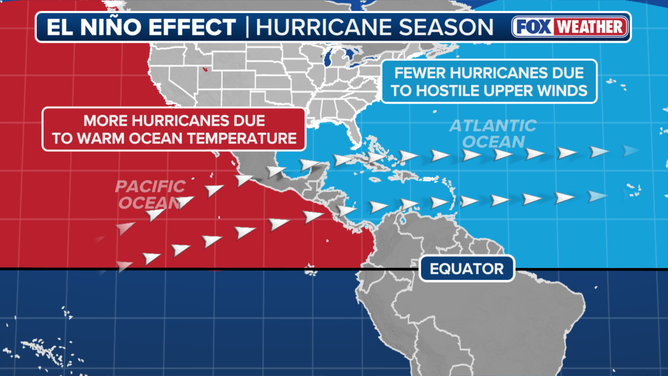
El Niño hurricane effect in the Atlantic vs. in the Pacific.
(FOX Weather)
Given the forecast for this year, this hurricane season may not be so straightforward. Although in an El Niño, the atmosphere acts to suppress developing storms, the threat of dangerous hurricanes is still very real.
Sea surface temperatures in the Atlantic remain near or slightly above average, which provides fuel for storms, setting the stage for a battle between unfavorable wind conditions caused by El Niño and the warmer ocean waters that strengthen brewing storms.
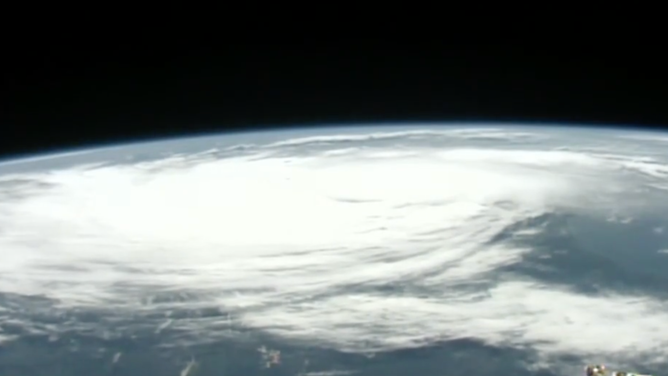
NASA video shows the view from the International Space Station of Hurricane Idalia over Florida and Georgia on Wednesday, August 30, 2023.
(NASA)
In the 2023 hurricane season, during a similar El Niño set up, record warm sea surface temperatures offset the traditional negative impacts from El Niño. Though El Niño informs long-range forecasts to better understand the atmospheric environment that plays a major role in the formation of the storms that are remembered for decades, the hurricane season is defined by much more than just El Niño or La Niña.
Even in years with a strong El Niño, the risk is never zero. These patterns may bring fewer storms overall—but it only takes one monster hurricane to leave a lasting mark for years to come.
Recent El Niño year
Since 1990, there have been seven years with a comparable El Niño to what some of the more aggressive forecasts are suggesting for 2026. These were years with either a borderline strong El Niño or events that pushed into “super” El Niño territory. Those years were 1991, 1994, 1997, 2002, 2009, 2015 and 2023.
On average, those seasons produced 11 named storms, four hurricanes and two major hurricanes (Category 3+).
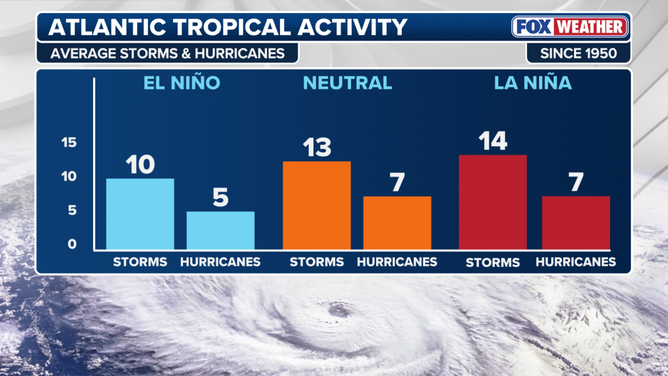
Atlantic tropical activity stats.
(FOX Weather)
That is below the long-term Atlantic averages of 14 named storms, seven hurricanes and three major hurricanes.
The takeaway is simple. Even during a “Strong El Niño,” when overall activity is reduced, it only takes one storm to create significant impacts.
1991 Hurricane Season: The Perfect Storm
The most impactful storm of the 1991 hurricane season remains a significant meteorological event due to its rare formation.
HOW HIGH PRESSURE AND LOW PRESSURE DRIVE THE WEATHER
A high-pressure system, a North Atlantic cold front and the remnants of Hurricane Grace merged into a single, massive storm to create “The Perfect Storm.”
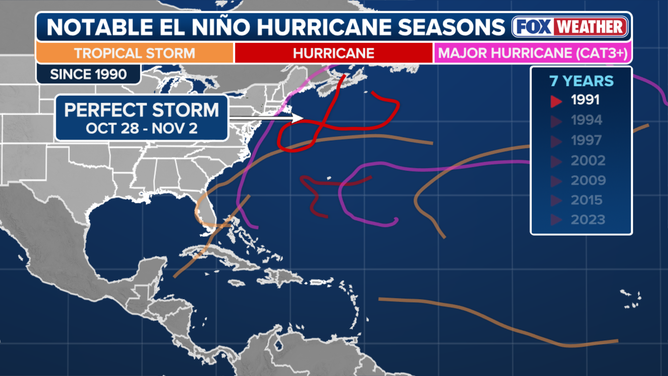
Notable El Niño Hurricane Season: The 1991 hurricane season produced “The Perfect Storm.”
(FOX Weather)
The storm was able to intensify over the warm waters of the Gulf and take an unexpected turn back toward the U.S. coast.
Although the storm never made landfall in the U.S., it generated hurricane-force winds and massive waves that decimated coastal New England, killing six crew members from the fishing vessel Andrea Gail, which would later go on to inspire the Hollywood film “The Perfect Storm” starring George Clooney.
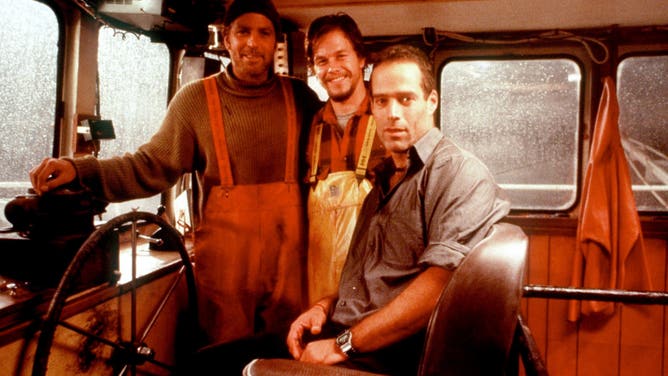
Sebastian Junger, right, author of “The Perfect Storm” poses with actors Mark Wahlberg, center, and George Clooney on “The Perfect Storm” film set. The movie is based on “The Perfect Storm” that occurred in October 1991 off the coast of Nova Scotia.
(Claudette Barius/Warner Bros via Online USA / Getty Images)
Despite hurricane strength, the storm was never officially named.
1994 Hurricane Season: Tropical Storm Alberto
Though Tropical Storm Alberto never, in meteorological terms, met the necessary strength to be considered a hurricane, the damage it inflicted on the southeastern U.S. remains a benchmark disaster.
Primarily remembered for the storm’s “stalling” behavior, the storm made landfalls and, as a decaying system, hovered over Georgia and Alabama for days, dumping upwards of 20 inches of rain in some areas.
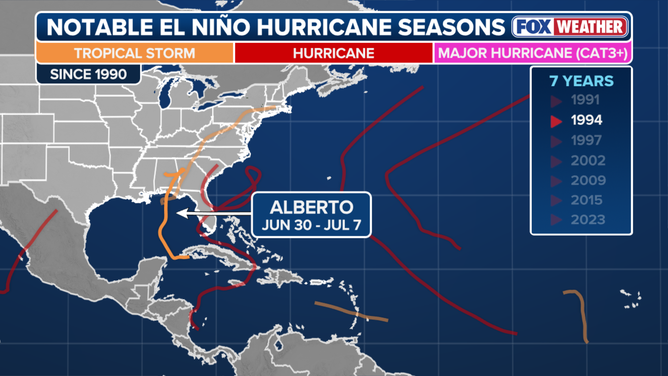
Notable El Niño Hurricane Season: The 1994 hurricane season produced Tropical Storm Alberto, which stalled over the Southeastern U.S. for days, killing 33.
(FOX Weather)
The storm triggered record-breaking crests across many river basins, resulting in extreme flooding across parts of the region. In the end, the widespread inundation left 33 dead.
1997 Hurricane Season: Hurricane Danny
Though the 1977 hurricane season was considered a quiet year, Hurricane Danny made landfall in southeast Louisiana.
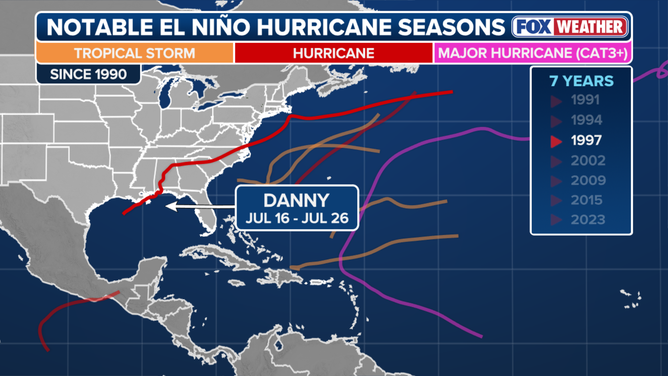
Notable El Niño Hurricane Season: The 1997 hurricane season produced Hurricane Danny, which made two landfalls in the US.
(FOX Weather)
Danny made a second landfall near Mobile Bay, bringing extreme rain to Alabama, with over 3 feet falling in Dauphin Island.
Only eight storms formed during the 1997 Atlantic hurricane season; the other seven did not have any land impacts.
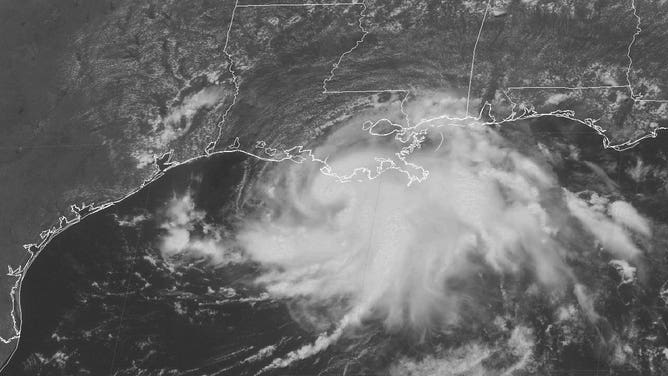
Hurricane Danny satellite image.
(NOAA)
2002 Hurricane Season: Hurricanes Isidore and Lili
Back-to-back storms made the 2002 hurricane season one to remember, especially in Louisiana.
WHAT IS A TROPICAL STORM?
Hurricane Isidore was a powerful Category 3 storm at its peak, bringing significant impacts to Jamaica, Cuba and the Yucatán Peninsula. By the time it approached Louisiana, it had weakened to a tropical storm, but still produced heavy rain and flooding across the region.
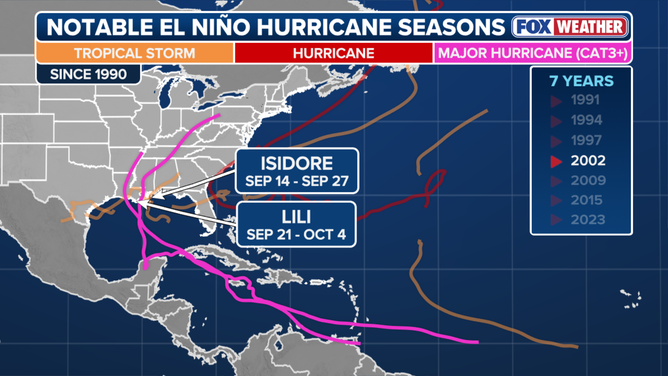
Notable El Niño Hurricane Season: The 2002 hurricane season produced rare back-to-back hurricanes (Isidore and Lili) that caused widespread damage across parts of the Caribbean and the Deep South.
(FOX Weather)
Just days later, Hurricane Lili followed a similar path. Lili rapidly intensified into a Category 4 hurricane over the then-named Gulf of Mexico before weakening ahead of landfall, ultimately landing in Louisiana as a Category 1 hurricane.
Remarkably, Lili made landfall only seven days after Isidore impacted the same general area.
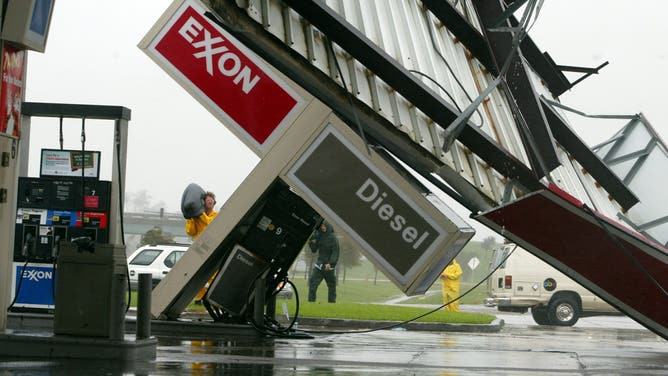
An Exxon station is damaged by Tropical Storm Lili October 3, 2002 in New Iberia, Louisiana.
(Photo by Joe Raedle/Getty Images / Getty Images)
Combined, these two storms caused widespread damage across parts of the Caribbean and the Deep South, and were responsible for 37 fatalities.
2009 Hurricane Season: Hurricane Ida
With only nine named storms, the 2009 Atlantic hurricane season was relatively quiet.
One notable system that year was Hurricane Ida, which briefly reached Category 2 strength as it moved off the coast of the U.S., never making landfall as an official tropical cyclone.
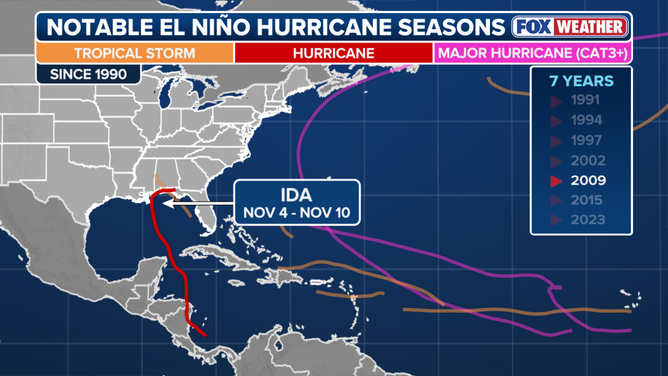
Notable El Niño Hurricane Season: The 2009 hurricane season produced Hurricane Ida, which later developed into a nor’easter.
However, Ida’s story did not end there. The remnants of the storm transitioned into a powerful nor’easter, later dubbed “Nor’Ida.”
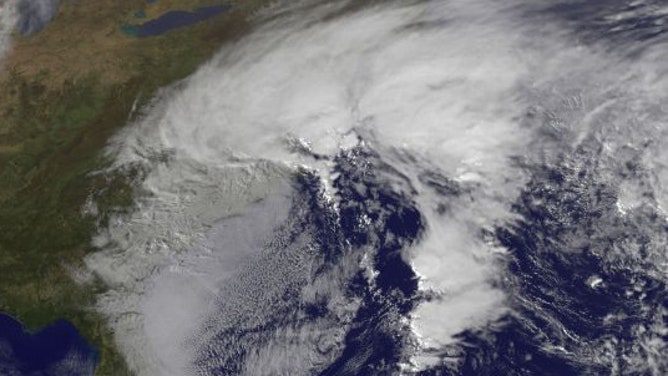
The November 2009 Mid-Atlantic nor’easter (also referred to as “Nor’Ida”) was a powerful autumn nor’easter that caused widespread damage along the east coast of the United States.
(NOAA)
The system went on to produce impacts across the Southeast and East Coast, with storm surge levels, rainfall and coastal impacts comparable to that of a tropical cyclone.
2015 Hurricane Season: Hurricane Joaquin
Hurricane Joaquin was a true wildcard.
It stalled and looped over the Bahamas as a powerful Category 4, becoming one of the region’s most damaging storms. While it never made U.S. landfall, it helped trigger historic flooding across the Southeast.
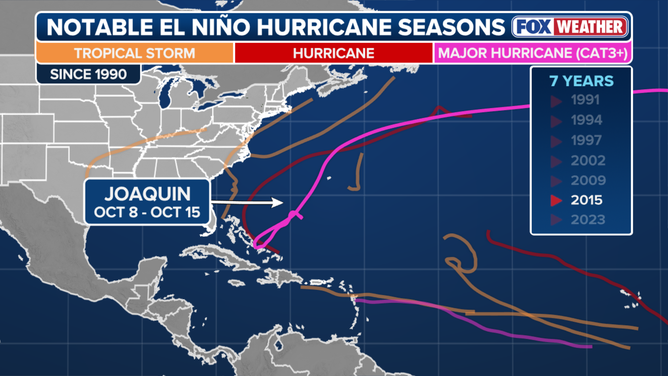
Notable El Niño Hurricane Season: The 2015 hurricane season produced Hurricane Joaquin, and although it didn’t make landfall in the U.S., it helped trigger historic flooding across the Southeast.
(FOX Weather)
As Joaquin lingered offshore, it funneled deep tropical moisture into the region. At the same time, a non-tropical system and stalled front along the Carolina coast acted like a conveyor belt—lifting that moisture into a relentless “fire hose” of rain.
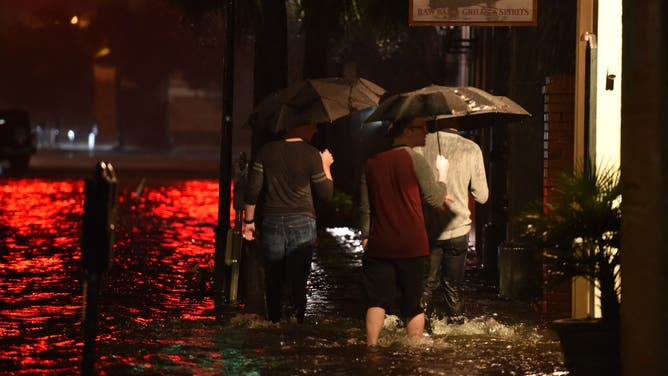
People walk in the water at a flooded street in downtown Charleston, SC on October 03, 2015. Much of the US southeast was under water, deluged by rains from Hurricane Joaquin.
(MLADEN ANTONOV/AFP via Getty Images / Getty Images)
The result: catastrophic flooding, especially in South Carolina. Columbia and Charleston shattered multi-day rainfall records, with Charleston setting a new wettest October in just four days.
Even without landfall, Joaquin became one of the most impactful weather events of 2015.
2023 Hurricane Season: Hurricane Idalia
The 2023 season defied expectations for a developing El Niño, becoming the Atlantic’s fourth most active on record. Exceptionally warm ocean waters helped offset El Niño’s usual suppressing effects, fueling storm development.
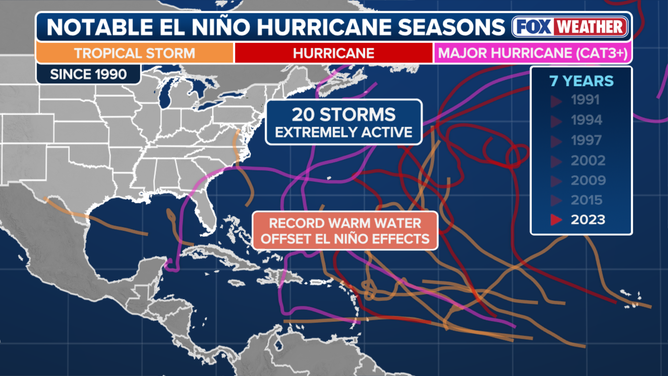
Notable El Niño Hurricane Season: The 2023 hurricane season was extremely active, producing 20 storms as record warm waters offset traditional El Niño effects that typically suppress storm formation and intensification.
(FOX Weather)
Hurricane Idalia was the season’s standout, rapidly intensifying into a Category 4 before landfall in Florida’s Big Bend.
DRONE VIDEO REVEALS DAMAGE, FLOODING FROM HURRICANE IDALIA LANDFALL NEAR KEATON BEACH
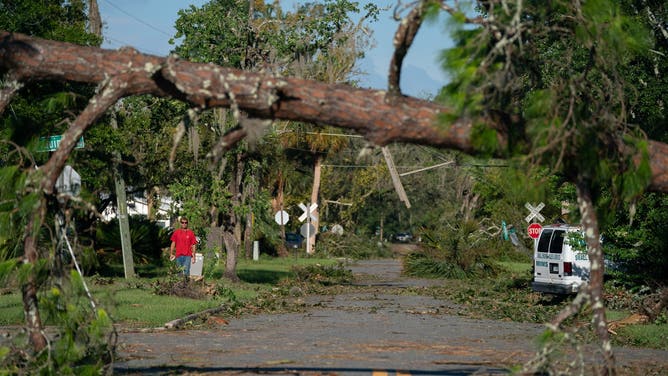
A fallen tree obstructs a road in the aftermath of Hurricane Idalia on August 31, 2023 in Perry, Florida.
(Sean Rayford/Getty Images)
It produced record storm surge from Tampa Bay to the Big Bend and, at the time, became the strongest storm on record to strike the region—until Hurricane Helene surpassed it the following year.
