


a
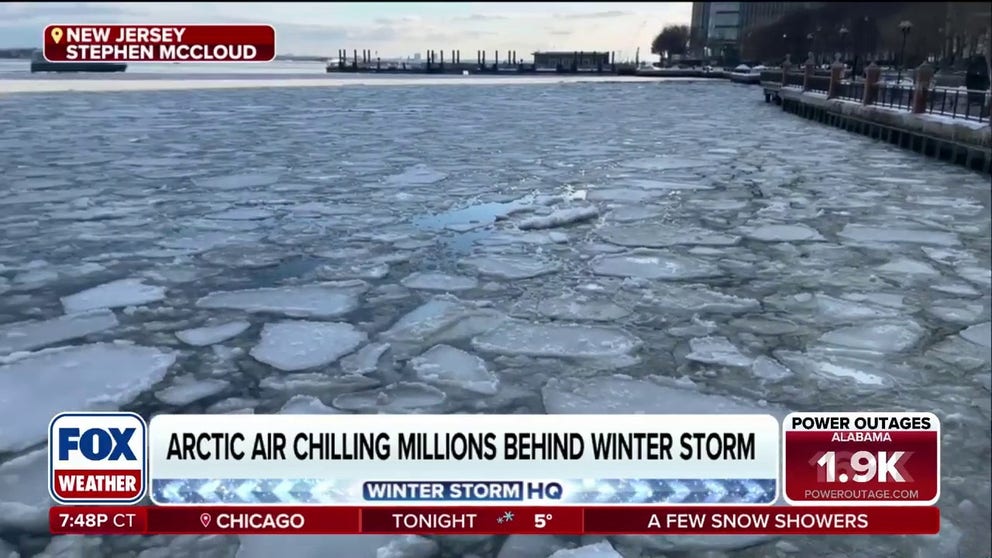
After the massive winter storm, arctic air will linger across much of the country into the start of the week. Temperatures will remain about 10 to 20 degrees below average for more than 220 million people throughout the week, primarily across areas east of the Rocky Mountains. Extreme Cold Warnings have extended into the South, where nearly 40 record low morning temperatures are likely to be broken on Tuesday morning.
In the wake of the historic winter storm that blasted 40 states this weekend, a dome of Arctic air associated with the Polar Vortex is bringing days of life-threatening temperatures to much of the country.
Temperatures are expected to remain below average for 220 million people, causing ice and snow to refreeze and potentially exacerbating widespread power outages in the South that were caused by the sprawling system.
LIVE UPDATES: HISTORIC WINTER STORM SLAMS 40 STATES, UNLEASHING CRIPPLING ICE, HEAVY SNOW
-
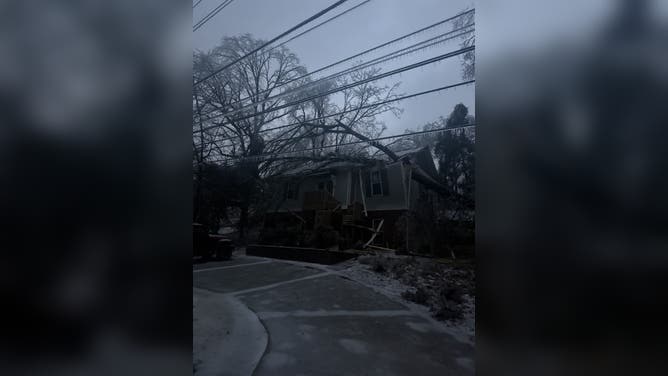
Ice downs tree in Oxford, MS.
(Louis) -
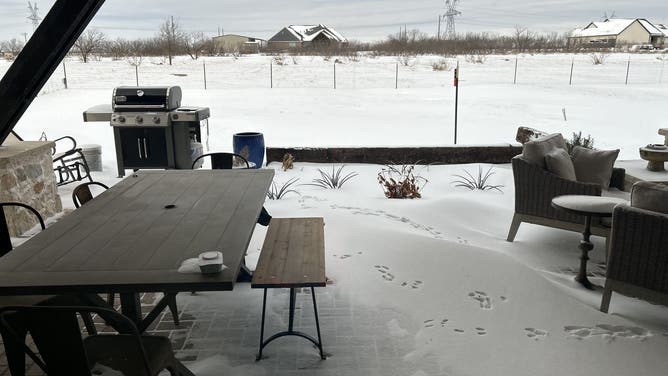
Snow and ice across Wichita Falls, TX.
(Vicki) -
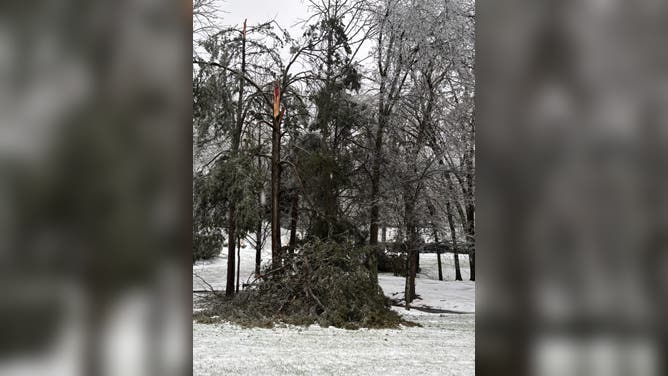
Ice snaps tree in Franklin, TN.
(Kevin Gaither) -
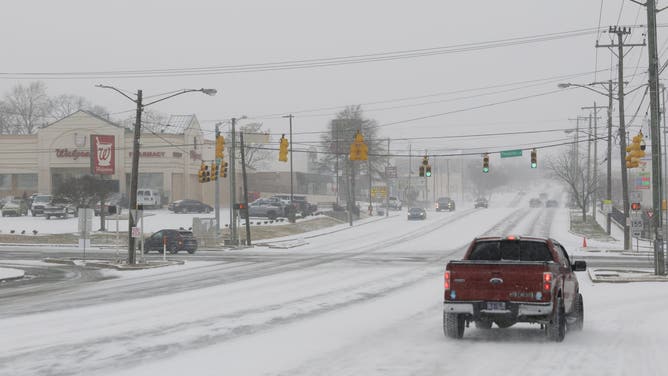
NASHVILLE, TENNESSEE – JANUARY 24: Snow begins to collect on Nolensville Pike on January 24, 2026 in Nashville, Tennessee. A massive winter storm is expected to bring frigid temperatures, ice, and snow to millions of Americans across the nation.
((Photo by Brett Carlsen/Getty Images)) -
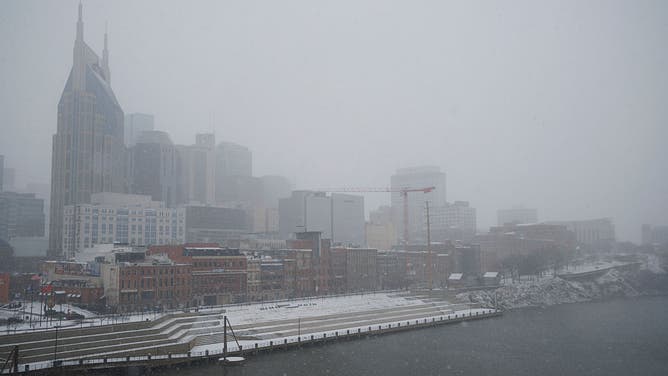
NASHVILLE, TENNESSEE – JANUARY 24: Snow falls downtown in the lower Broadway area on January 24, 2026 in Nashville, Tennessee. A massive winter storm is bringing frigid temperatures, ice, and snow to millions of Americans across the nation.
((Photo by Brett Carlsen/Getty Images)) -
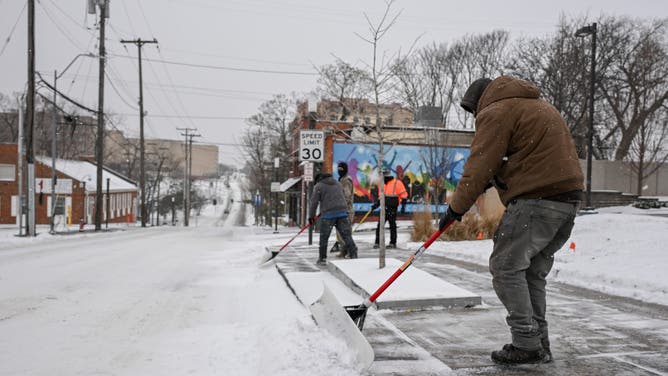
Crews work to clear snow from a sidewalk during a winter storm in Kansas City, Missouri, US, on Saturday, Jan. 24, 2026.
(Clayton Steward/Bloomberg via Getty Images)
Bone-chilling temperatures have already taken hold across the Northern Plains, Upper Midwest and Northeast, as the Arctic air mass extends into the Southern Plains and Southeast.
NEXT MAJOR STORM THREAT LOOMS FOR NORTHEAST ON THE HEELS OF HISTORIC, DEADLY WEEKEND SNOWSTORM
Extreme Cold Warnings are currently in effect for major cities, including Dallas, Little Rock, New Orleans and up into Cincinnati. While Cold Weather Advisories remain across North Dakota as well as portions of Michigan.
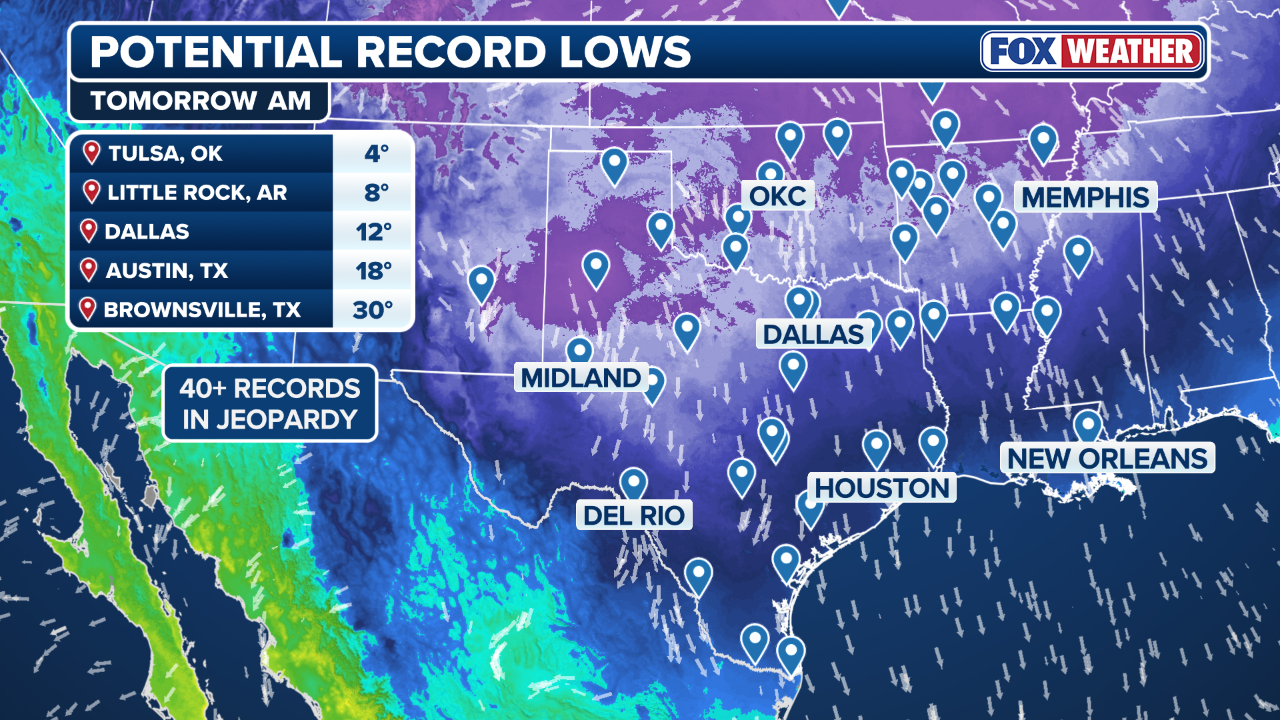
(FOX Weather)
It was reported that on Monday morning, 20 record low temperatures were broken from Texas through Illinois, with residents in some locations experiencing temperatures in the low teens, single digits and below zero.
FOX Forecast Center predicts that by Tuesday most locations in the South will continue to remain in the 20s and 30s. This is 10 to 20 degrees below average for this time of year. It is likely that nearly 40 record low morning temperatures may be broken.
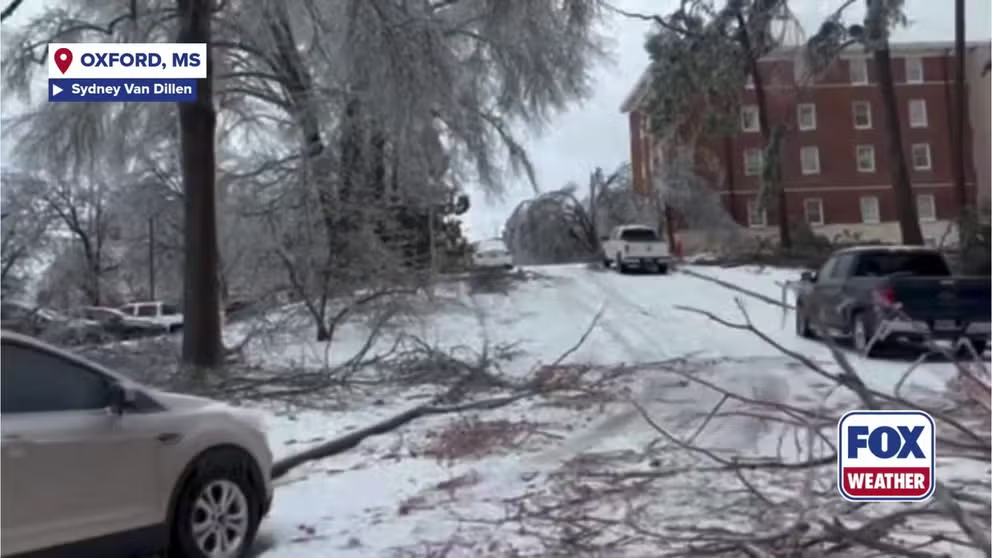
Frozen trees litter the area after falling due to intense winter weather on Sunday (Jan. 24, 2026).
With the temperatures staying at or below freezing, recovery efforts from the intense snow and ice, as well as restoring power outages, may become different. These conditions could create another round of nearly impossible driving conditions for utility crews and first responders, setting up dangerous wait times in life-threatening cold for those without power.
As of Monday night, over 675,000 customers remain without power.
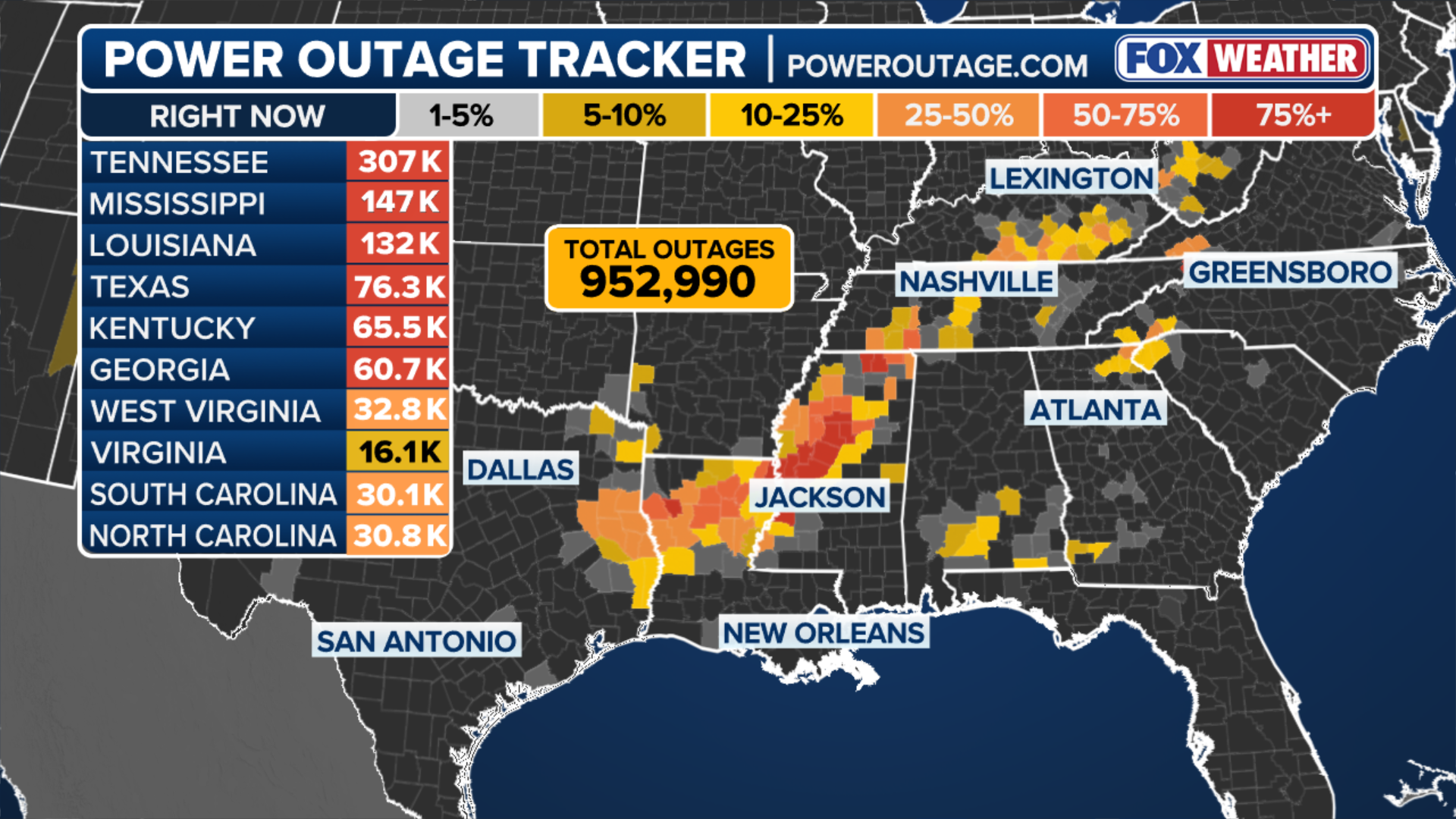
(FOX Weather)
By midweek, conditions will gradually rise across the southern Plains, allowing for snow and ice to melt, but temperatures will still be below average.
WHAT IS THE POLAR VORTEX?
The northern tier of the country will experience roughly 10 to 15 degrees below average, especially in the Northeast.
From Minneapolis through Chicago and into northern New England, morning low temperatures will fall into the single digits and even below zero. The frigid wind chill that is expected to start on Tuesday will cause it to feel even colder as it will be in the negative teens.
Cities like New York and Boston will endure high temperatures in the 20s through next weekend.
DEADLY HISTORIC WINTER STORM: ICE LEAVES LIFE-THREATENING POWER OUTAGES ACROSS SOUTH, SNOW BURIES NORTHEAST
Many cities along the I-95 corridor will remain below freezing for nearly a week as repeated surges of arctic air move into the region.
Record low temperatures are possible across the Northeast on Friday and Saturday
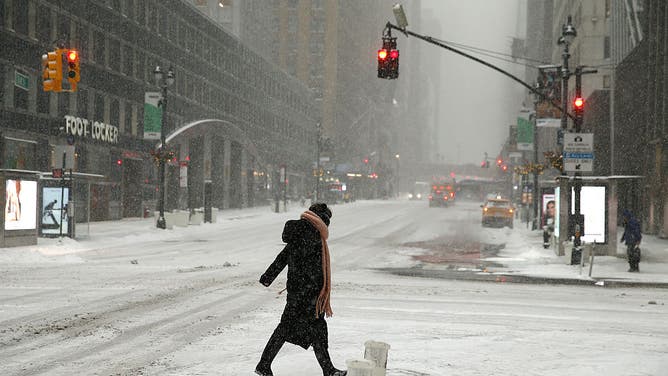
A passerby crosses the street during a snowstorm on January 25, 2026 in New York City.
((Photo by John Lamparski/Getty Images) / Getty Images)
According to the FOX Forecast Center, the Midwest is in the middle of a prolonged stretch where temperatures may not rise above freezing for the rest of the month.
In the Northern Plains and Upper Midwest, wind chill temperatures dropped to almost -50 degrees on Saturday.
Duluth, Minnesota dropped to -24 degrees with the wind chill on Monday, while Hayward, Wisconsin saw -27 degrees.
(FOX Weather)
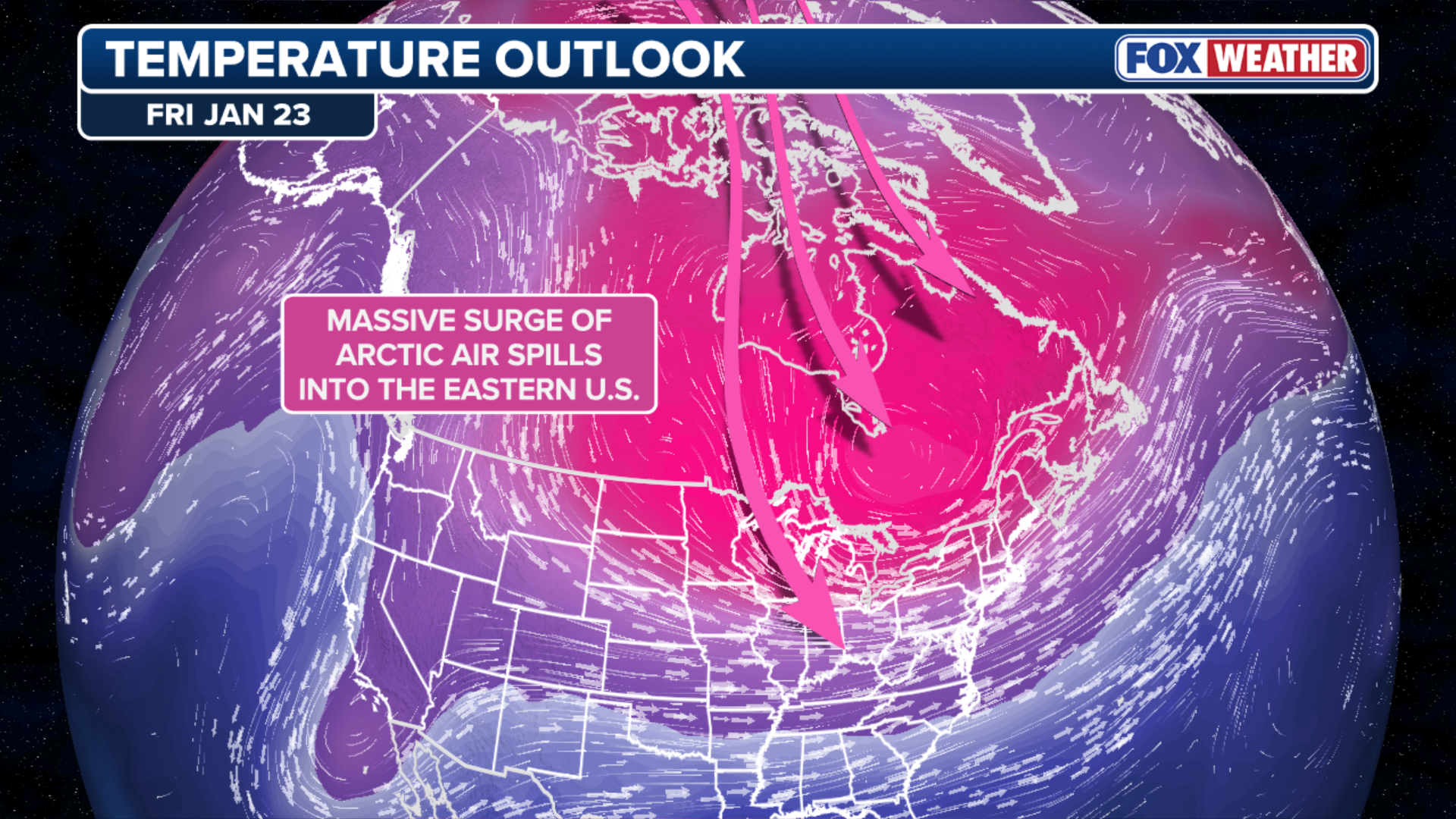
The Arctic plunge is being driven by a shift in a lobe of the polar vortex, which contains some of the coldest air on the planet. This part of the polar vortex has shifted south, unusually close to much of the eastern U.S. and will allow for the continuous waves of subfreezing temperatures to grip parts of the Midwest and Northeast.
HOW TO WATCH FOX WEATHER
The displacement of the polar vortex over the eastern half of the U.S. will usher in days of arctic cold through the beginning of February.
Exposure to subfreezing temperatures can cause frostbite to occur in as little as 10 to 30 minutes.
