


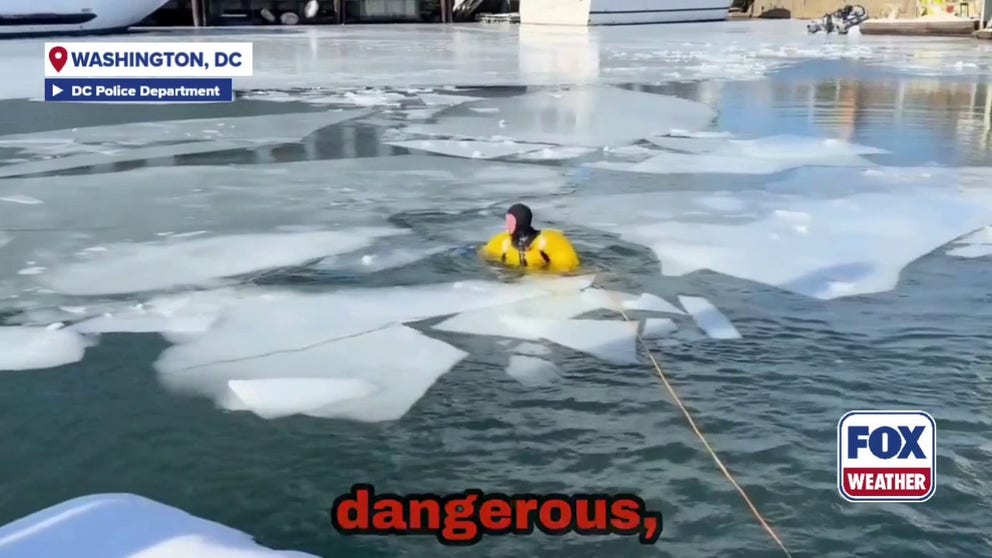
Emergency crews found a person dead in the icy waters of the Potomac River amid extreme cold temperatures in Washington DC on Tuesday. It follows a warning from the DC Police Department’s Harbor Patrol Unit advising people to stay off the ice, as it can be extremely dangerous.
WASHINGTON, DC – Emergency crews found a person dead in the icy waters of the Potomac River amid extreme cold temperatures in Washington DC on Tuesday.
The DC Fire and EMS Department responded to the river near the 14th Street Bridge for a water rescue. Crews found the person on the ice mid-span near the bridge and removed them.
Emergency crews wore suits that are specifically designed for cold water rescues. Police are investigating the circumstances surrounding the death.
WHY HYPOTHERMIA HAPPENS FASTER IN COLD WATER
The Potomac River froze over during a recent bout of freezing temperatures in the Northeast.
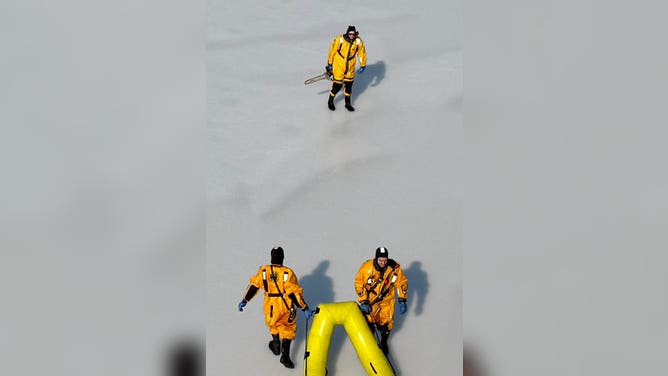
Crews conduct a search on the Potomac River in Washington DC on Feb. 3, 2026.
(DC Fire and EMS Department / FOX Weather)
The death follows a warning from the DC Police Department’s Harbor Patrol Unit advising people to stay off the ice, as it can be extremely dangerous.
FEBRUARY OUTLOOK: WEAKENING POLAR VORTEX TO EXTEND EXTREME COLD SPELL EVEN LONGER FOR MILLIONS IN EASTERN US
“Although it looks safe, although it looks like you could walk on it, it is extremely dangerous, extremely deadly and also illegal,” DC Harbormaster Andrew Horos said on social media.
On Monday, the police department said they were aware of people trying to walk on the ice over the Potomac River near the Georgetown waterfront.
HOW TO WATCH FOX WEATHER
“Walking on iced-over DC waterways is extremely dangerous. You’re putting your life, and the lives of first responders, at extreme risk,” the police department said on X.
While it’s unclear if the person died of hypothermia, there are several health concerns that come with being in ice-cold waters for an extended period of time.
WHAT IS HYPOTHERMIA?
Cold shock can be just as severe and dangerous from water temperatures of 50 to 60 degrees as it is from water at 35, according to the National Weather Service.
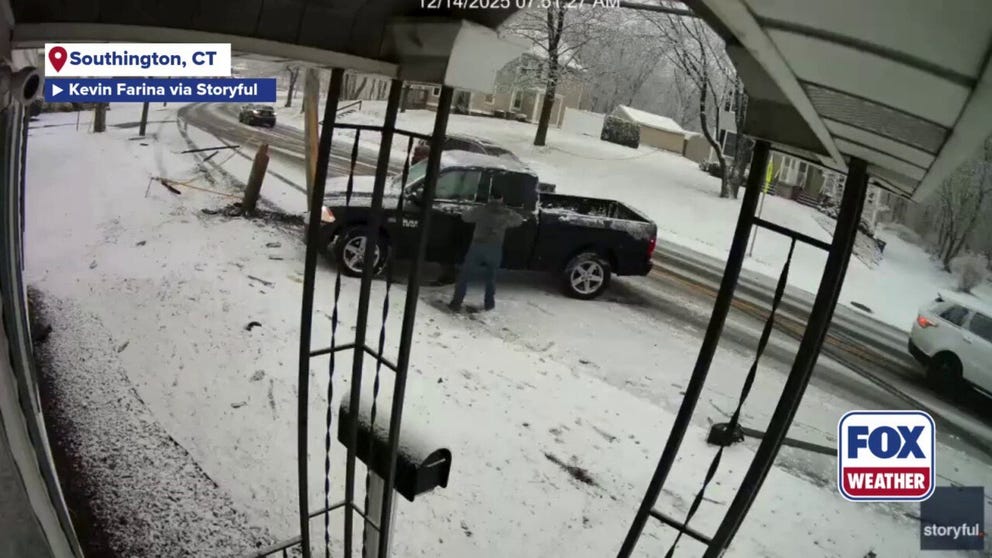
Extreme cold followed this weekend’s powerful snowstorm, leaving icy roads in Southington, Connecticut, causing a driver to lose control and crash into a pole Dec. 14. A local resident captured the footage and said the driver was able to get out of the truck and walk to the ambulance for evaluation.
It can cause panic, which impairs clear thinking and decision-making. It can also cause a sudden spike in heart rate and blood pressure, which can lead to a heart attack or stroke. Severe pain from the cold also clouds thinking.
The U.S. Coast Guard listed the following steps to increase your chances of survival if you are experiencing hypothermia:
- Stay calm.
- Get out of the water as soon as possible or grab something to float on to keep body parts out of the water.
- Swim to safety if possible. If not, conserve energy and heat until help arrives.
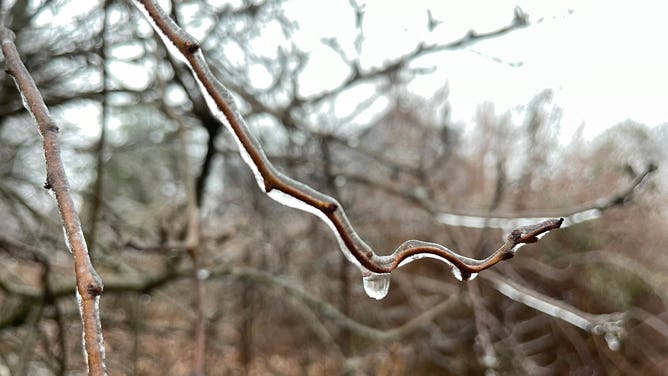
People in Metuchen, New Jersey, woke up to a glaze of ice on Feb. 25, 2022.
(CollinGrossWx/Twitter)
7 WAYS TO STAY SAFE ON ICE AND WHAT TO DO IF YOU FALL THROUGH
Once out of the water:
- Call 911.
- Move the person to a warm place, remove wet clothing and dry the person.
- Give CPR if needed.
- Wrap blankets around the person’s torso. Don’t warm the extremities first, as that may lead to shock.
- Do not submerge the person in warm water or warm them too quickly, which leads to a danger of heart arrhythmia.
HYPOTHERMIC HIKER RESCUED AFTER STRANDED IN WAIST-DEEP SNOW AMID WIND CHILLS NEAR ZERO
“Please stay off the ice. Don’t make one of our members have to come in and rescue you,” Horos said.
